

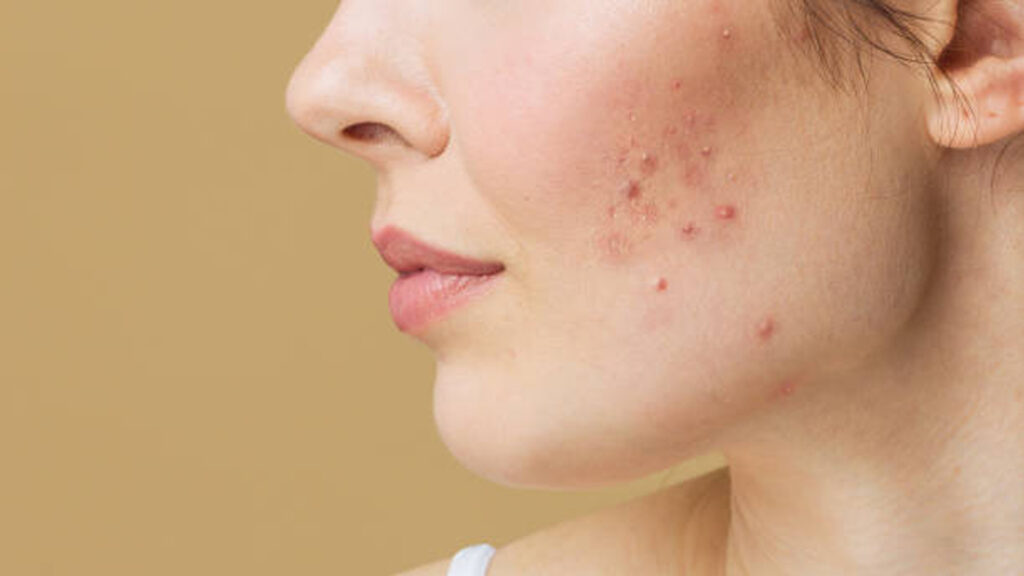
skin Acne is a common skin condition characterized by the presence of pimples, blackheads, whiteheads, and sometimes cysts on the face, chest, back, and other areas. Here’s a comprehensive overview of various acne treatments:
Skin Acne Treatment in Pune
- Skincare Routine:
- Cleansing: Use a gentle cleanser to remove excess oil, dirt, and bacteria without stripping the skin of its natural moisture.
- Exfoliation: Incorporate chemical exfoliants like salicylic acid or glycolic acid to unclog pores and promote cell turnover.
- Topical Treatments: Apply over-the-counter creams or gels containing benzoyl peroxide, which kills bacteria and reduces inflammation. Retinoids are also effective in preventing clogged pores and promoting skin renewal.
- Oil-Free Moisturizer: Choose a non-comedogenic, oil-free moisturizer to keep the skin hydrated without causing further breakouts.
- Sunscreen: Use a lightweight, non-comedogenic sunscreen (SPF 30 or higher) to protect skin from UV damage without clogging pores.
- Topical Antibiotics:
- Prescription topical antibiotics like clindamycin or erythromycin can help reduce the bacteria on the skin’s surface and alleviate inflammation.
- Oral Antibiotics:
- For moderate to severe acne, oral antibiotics like doxycycline or minocycline may be prescribed to target bacteria and inflammation.
- Retinoids:
- Prescription retinoids (tretinoin, adapalene, tazarotene) are effective at preventing clogged pores and promoting cell turnover. They also have anti-inflammatory properties.
- Isotretinoin (Accutane):
- Isotretinoin is a powerful oral medication used for severe, cystic acne. It reduces oil production, inflammation, and the formation of new comedones. It requires close monitoring due to potential side effects.
- Hormonal Treatments:
- For hormonal acne in women, oral contraceptives can help regulate hormones that contribute to breakouts. Anti-androgen medications like spironolactone can also be effective.
- Chemical Peels:
- Salicylic acid, glycolic acid, or a combination of acids can be used in chemical peels to exfoliate the skin, unclog pores, and reduce acne.
- Laser and Light Therapies:
- Blue Light Therapy: Kills acne-causing bacteria on the skin’s surface.
- Photodynamic Therapy: Combines light therapy with a photosensitizing agent to target oil glands and bacteria.
- Fractional Laser: Stimulates collagen production and can improve the appearance of acne scars.
- Extraction and Injections:
- Dermatologists can perform manual extractions to remove blackheads and whiteheads. Intralesional injections of corticosteroids can help reduce inflammation and shrink cystic acne.
- Professional Extraction:
- A dermatologist can perform sterile extractions to remove blackheads and whiteheads using specialized tools.
- Home Care and Maintenance:
- Avoid picking or squeezing acne lesions to prevent scarring.
- Maintain a consistent skincare routine even after acne clears to prevent future breakouts.
- Be patient – many acne treatments take time to show results.
It’s essential to consult a dermatologist before starting any acne treatment regimen. They can assess the severity of your acne, recommend suitable treatments, and tailor a plan that addresses your specific skin type and needs. Keep in mind that what works for one person may not work for another, so finding the right combination of treatments may require some trial and error.