SkinAngel

Nutrition

Weight Gain Nutrition

Gaining weight in a healthy and controlled manner is important for individuals who are underweight or looking to build muscle mass. Weight gain nutrition involves increasing calorie intake and providing the body with essential nutrients to support overall health and promote muscle growth. Here’s a detailed explanation of weight gain nutrition: 1. Determine Your Caloric Needs: 2. Increase Caloric Intake: 3. Choose Nutrient-Dense Foods: 4. Protein Intake: 5. Healthy Fats: 6. Complex Carbohydrates: 7. Frequent Meals and Snacks: 8. Protein Shakes and Smoothies: 9. Strength Training: 10. Stay Hydrated: – Proper hydration is essential for overall health and digestion. Drink enough water throughout the day to support muscle function and recovery. 11. Track Your Progress: – Keep a food diary to track your calorie and nutrient intake. Monitor your weight and body measurements regularly to assess your progress. 12. Gradual Weight Gain: – Aim for a gradual weight gain of about 0.5 to 1 pound per week. Rapid weight gain can lead to unhealthy fat accumulation. 13. Seek Professional Guidance: – If you have difficulty gaining weight or have specific dietary concerns, consider consulting with a registered dietitian or healthcare provider who can create a personalized plan for you. 14. Monitor Health: – Pay attention to your overall health and well-being. Weight gain should be accompanied by improved energy levels, muscle strength, and overall vitality. 15. Address Underlying Health Issues: – If you have any underlying medical conditions that may be contributing to weight loss or preventing weight gain, consult with a healthcare professional for appropriate management. It’s essential to approach weight gain with a balanced and nutritious diet, combining increased calorie intake with regular strength training and a focus on overall health. This ensures that the weight gained is primarily in the form of muscle mass rather than unhealthy fat.

Weight Gain Nutrition Read More »

Kids Nutrition

Nutrition for kids is crucial for their growth, development, and overall well-being. Providing children with a balanced and nutritious diet helps support their physical and cognitive growth, boosts their immune system, and establishes healthy eating habits that can last a lifetime. Here’s a detailed explanation of kids’ nutrition: 1. Macronutrients: 2. Micronutrients: 3. Fiber: 4. Hydration: 5. Protein-Rich Foods: 6. Whole Grains: 7. Fruits and Vegetables: 8. Dairy and Dairy Alternatives: 9. Snacking: 10. Meal Planning: – Offer a mix of foods from different food groups in each meal. Include lean protein, whole grains, and a variety of fruits and vegetables. 11. Avoid Excess Sugars and Processed Foods: – Minimize sugary snacks, sugary drinks, and processed foods high in salt and unhealthy fats. These can contribute to obesity and other health issues. 12. Portion Control: – Pay attention to portion sizes to prevent overeating. Children’s portion sizes should be smaller than those for adults. 13. Special Diets: – If your child has specific dietary needs, allergies, or dietary restrictions, consult with a healthcare provider or registered dietitian to ensure they get all necessary nutrients. 14. Role Modeling: – Children learn by example. Be a role model for healthy eating by making nutritious choices yourself and eating meals together as a family. 15. Encourage Healthy Eating Habits: – Teach children about balanced nutrition, the importance of fruits and vegetables, and how to make healthy choices when eating out or snacking with friends. 16. Seek Professional Guidance: – If you have concerns about your child’s nutrition, growth, or eating habits, consult a healthcare provider or registered dietitian for personalized guidance and support. Remember that children’s nutritional needs change as they grow, so it’s essential to adapt their diet to meet their evolving requirements. Providing a well-balanced and varied diet, along with healthy eating habits, sets the foundation for a lifetime of good health.

Kids Nutrition Read More »

PCOS/PCOD Weight Loss

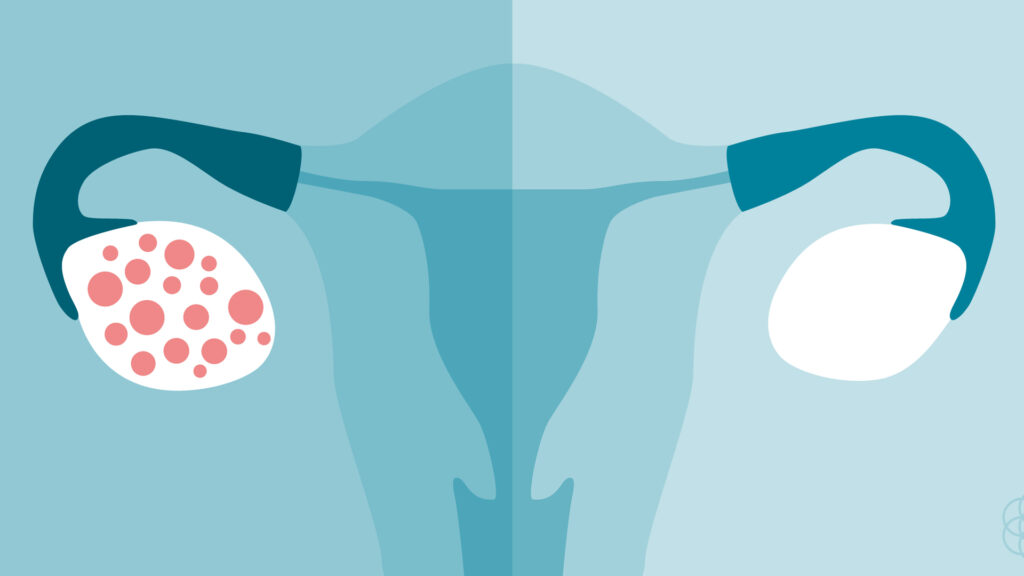
Polycystic Ovary Syndrome (PCOS) and Polycystic Ovary Disease (PCOD) are hormonal disorders that can make it challenging for individuals to lose weight or maintain a healthy weight. PCOS/PCOD can lead to insulin resistance, hormonal imbalances, and other factors that contribute to weight gain and make weight loss efforts more complicated. Here’s a detailed explanation of PCOS/PCOD and weight loss: Understanding PCOS/PCOD: PCOS and PCOD are related conditions that affect the ovaries and hormonal balance in the body, primarily due to an excess of androgens (male hormones) and insulin resistance. Common symptoms include irregular periods, ovarian cysts, acne, excessive hair growth (hirsutism), and weight gain. How PCOS/PCOD Affects Weight: Strategies for PCOS/PCOD Weight Loss: Achieving and maintaining a healthy weight with PCOS/PCOD requires a multi-faceted approach that addresses hormonal imbalances, insulin resistance, and lifestyle factors. Here are detailed strategies for PCOS/PCOD weight loss: Remember that weight loss with PCOS/PCOD may be gradual, and it’s essential to be patient and consistent with your efforts. Additionally, consult with a healthcare provider before starting any weight loss plan to ensure it’s appropriate for your individual condition and needs. They can provide personalized guidance and monitor your progress.

PCOS/PCOD Weight Loss Read More »

Hypertension Management

Hypertension, or high blood pressure, is a chronic medical condition characterized by consistently elevated blood pressure levels. Proper hypertension management is crucial to reduce the risk of complications such as heart disease, stroke, and kidney damage. Here’s a comprehensive explanation of hypertension management: 1. Lifestyle Modifications: Diet: Physical Activity: Weight Management: Stress Reduction: 2. Medication: 3. Regular Monitoring: 4. Sodium Reduction: 5. Smoking Cessation: 6. Limit Caffeine and Alcohol: 7. Medication Adherence: 8. Regular Medical Check-ups: 9. Customized Approach: 10. Overall Heart-Healthy Lifestyle: Hypertension management involves a holistic approach that combines lifestyle modifications, medication if needed, regular monitoring, and adherence to healthcare recommendations. By making consistent efforts to control blood pressure, individuals can reduce the risk of serious health complications and improve their overall quality of life. It’s essential to collaborate with healthcare professionals to create a tailored plan that addresses individual needs and health goals.

Hypertension Management Read More »

Menopausal nutrition

Menopausal nutrition is a crucial aspect of women’s health during the transition into menopause, a natural biological process marked by the cessation of menstruation and hormonal changes. Proper nutrition can help manage symptoms, support bone health, maintain a healthy weight, and reduce the risk of chronic diseases. Here’s a comprehensive explanation: 1. Hormonal Changes and Their Effects: During menopause, there is a decline in estrogen and other hormones, leading to various physical and psychological changes, including hot flashes, mood swings, weight gain, and bone density reduction. 2. Nutritional Priorities: Bone Health: Heart Health: Weight Management: Mood and Cognitive Function: 3. Phytoestrogens: 4. Protein Intake: 5. Hydration: 6. Limit Processed Foods: 7. Phytonutrients: 8. Menopausal Symptoms: 9. Consult a Professional: 10. Lifestyle Factors: Conclusion: Menopausal nutrition plays a vital role in managing symptoms, reducing health risks, and promoting overall wellness during this life stage. A balanced diet rich in nutrients, along with a healthy lifestyle, can empower women to navigate menopause with better physical and emotional health. Consulting healthcare professionals for personalized guidance is crucial to ensure dietary choices align with individual needs and goals.

Menopausal nutrition Read More »

Thyroid- Diet Management

Certainly, managing your diet when you have thyroid issues is important for maintaining optimal thyroid function and overall health. Thyroid conditions, such as hypothyroidism and hyperthyroidism, can influence your metabolism and energy levels. Here’s an in-depth explanation of thyroid diet management: 1. Hypothyroidism (Underactive Thyroid): Key Nutrients: Dietary Guidelines: 2. Hyperthyroidism (Overactive Thyroid): Key Nutrients: Dietary Guidelines: General Tips for Both Conditions: Working with a Healthcare Professional: It’s crucial to work with a healthcare professional, such as a registered dietitian or endocrinologist, to develop a personalized diet plan that aligns with your specific thyroid condition, medical history, and nutritional needs. They can conduct tests to assess nutrient levels and provide guidance on managing your diet effectively. Thyroid diet management involves making informed dietary choices that support optimal thyroid function and overall well-being. The key is to focus on a balanced, nutrient-rich diet that includes essential nutrients, supports hormone production, and helps manage energy levels. Working alongside healthcare professionals will ensure you receive tailored guidance for your specific thyroid condition.

Thyroid- Diet Management Read More »

Scroll to Top