SkinAngel

March 2026

Sun Protection Tips Every Day, Not Just Summer 2026

Sun Protection Tips Every Day, Not Just Summer

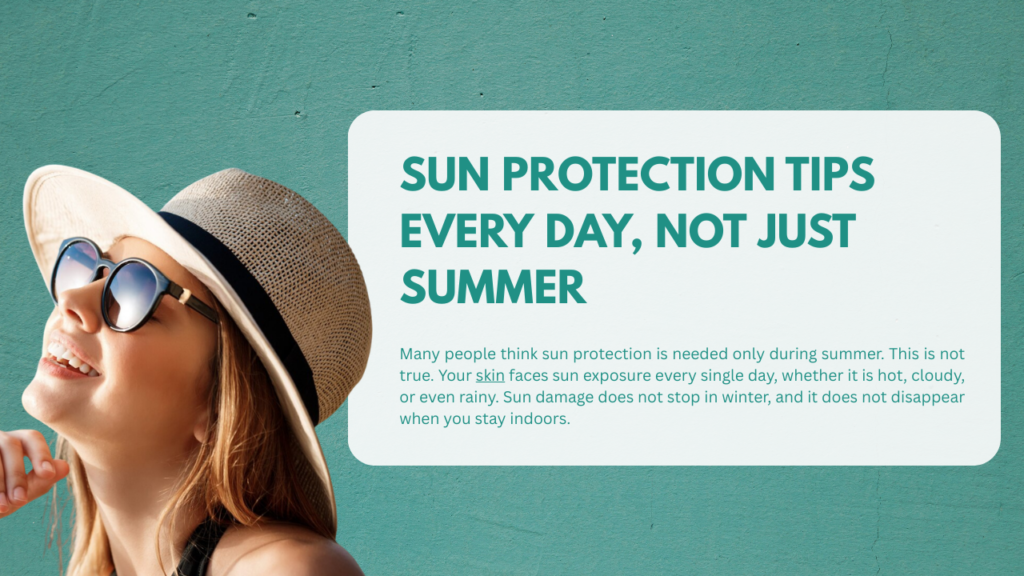
Sun Protection Tips Every Day, Not Just Summer Many people think sun protection is needed only during summer. This is not true. Your skin faces sun exposure every single day, whether it is hot, cloudy, or even rainy. Sun damage does not stop in winter, and it does not disappear when you stay indoors. If you want healthy, glowing, and youthful skin, you must protect it daily. In this blog, we will explain simple and practical sun protection tips that you can follow throughout the year. This guide will help you understand why daily care matters and how you can build a safe and effective daily sun protection routine. Why Sun Protection Is Important Every Day The sun releases ultraviolet (UV) rays. These rays reach your skin even on cloudy days. Over time, they can cause tanning, pigmentation, dullness, fine lines, and uneven skin tone. Long-term exposure can also weaken your skin barrier. Many people ignore sun protection because they do not see immediate damage. However, sun harm builds slowly. Small daily exposure adds up and shows signs later in life. Protecting your skin daily helps: Reduce tanning Prevent pigmentation Slow early aging Maintain even skin tone Support long-term skin health When you treat sun protection as a daily habit, your skin stays healthier for longer. Sun Damage Happens Even Indoors A common myth is that you need sunscreen only when you go outside. In reality, UV rays can pass through windows. If you sit near a window, drive a car, or work in a bright room, your skin still gets exposed. Blue light from screens may also contribute to skin stress. That is why indoor sun protection is important, especially if you spend long hours near sunlight or digital devices. Applying protection daily helps reduce hidden damage that most people ignore. Choose the Right Sunscreen for Daily Use The most important step in sun protection is choosing the right product. A good sunscreen for daily use should feel light, comfortable, and easy to apply. If your sunscreen feels heavy or greasy, you may skip it. Consistency matters more than anything else. Look for: Broad-spectrum protection SPF 30 or higher Lightweight texture Non-comedogenic formula For people with delicate skin, selecting a gentle sunscreen for sensitive skin helps avoid irritation or redness. Always test new products before regular use. Apply Sunscreen the Right Way Many people apply too little sunscreen. This reduces its effectiveness. Use enough product to cover your face, neck, and exposed areas properly. Follow these simple steps: Apply sunscreen after moisturizer. Use it at least 15–20 minutes before sun exposure. Reapply every 2–3 hours if you stay outdoors. Do not forget ears, neck, and hands. Proper application makes a big difference in results. Build a Simple Daily Sun Protection Routine You do not need complicated steps. A basic daily sun protection routine can protect your skin effectively. Morning Routine: Cleanse your face gently. Apply moisturizer. Apply sunscreen evenly. Wear sunglasses and protective clothing if needed. Afternoon: Reapply sunscreen if outdoors. Use a hat or umbrella in direct sunlight. Evening: Cleanse properly to remove sunscreen and pollution. Apply repair-based skincare products. Consistency is key. Even on days when you stay at home, do not skip sunscreen. Use Physical Protection Along with Sunscreen Sunscreen alone is not enough. Combine it with physical protection methods for better results. Helpful tips: Wear wide-brimmed hats. Use sunglasses to protect the eye area. Choose full-sleeve clothing when outdoors. Avoid direct sun between 11 am and 4 pm when possible. These simple habits reduce direct UV exposure. Follow Smart Tanning Prevention Tips Tanning is one of the first signs of sun damage. It makes skin look darker, uneven, and dull. Following effective tanning prevention tips helps maintain your natural skin tone. Here are some practical ideas: Reapply sunscreen regularly. Avoid peak sunlight hours. Stay in shaded areas. Drink enough water to maintain skin hydration. Prevention is always easier than correction. Sun Protection for Different Skin Types Every skin type needs protection. However, the product choice may differ. Oily Skin: Use oil-free or gel-based sunscreen to avoid clogged pores. Dry Skin: Choose hydrating sunscreen formulas that provide moisture along with protection. Sensitive Skin: Opt for mineral-based formulas designed as sunscreen for sensitive skin to reduce irritation risk. If you feel confused about choosing the right product, consulting a professional helps you avoid trial and error. Sun Protection During Cloudy and Rainy Days Many people skip sunscreen when the weather looks dull or cloudy. However, UV rays still reach your skin. Up to 80% of UV rays can pass through clouds. Even during monsoon or winter: Apply sunscreen daily. Protect exposed skin. Do not rely only on weather appearance. Daily consistency prevents long-term damage. Importance of Sun Protection for Anti-Aging Premature aging often happens due to repeated sun exposure. Fine lines, wrinkles, and pigmentation become visible earlier when skin is not protected. Sun protection supports: Collagen preservation Even skin tone Smoother texture Reduced pigmentation When you protect your skin from UV rays, you reduce early signs of aging naturally. When to Seek Professional Help If you notice: Persistent tanning Dark spots Uneven skin tone Early wrinkles It is better to seek expert advice. Professional guidance ensures your skin gets the right support at the right time. Early care prevents bigger skin concerns later. Sun Protection for Working Professionals If you work long hours in offices or travel daily, you still need protection. Car windows allow some UV rays to pass through. Sitting near office windows also exposes your skin to sunlight. Keep a sunscreen in your bag for reapplication. Make it a daily habit just like brushing your teeth. If you are unsure about your skin needs, a consultation with a skin specialist in Hadapsar, Pune can guide you based on your lifestyle and skin type. Professional Guidance for Better Results Sometimes, people use sunscreen regularly but still notice tanning or pigmentation. This may happen due to incorrect application, wrong product choice, or underlying skin concerns.

Sun Protection Tips Every Day, Not Just Summer Read More »
Scalp Conditions Explained: Dandruff, Itchiness & Hair Loss

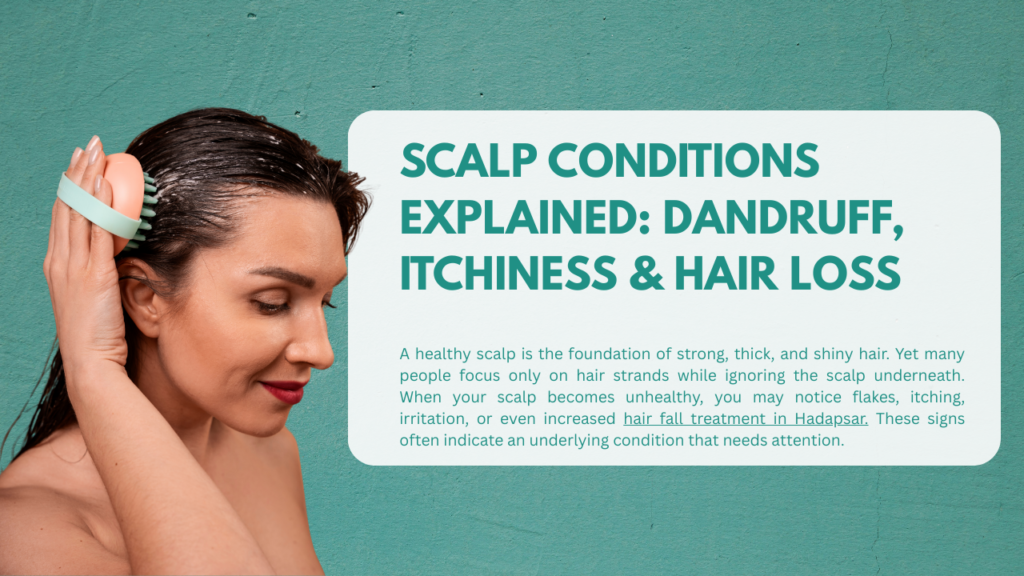
Scalp Conditions Explained: Dandruff, Itchiness & Hair Loss A healthy scalp is the foundation of strong, thick, and shiny hair. Yet many people focus only on hair strands while ignoring the scalp underneath. When your scalp becomes unhealthy, you may notice flakes, itching, irritation, or even increased hair fall treatment in Hadapsar. These signs often indicate an underlying condition that needs attention. At Skin Angel Aesthetics, we frequently see patients who struggle with persistent scalp concerns. In this guide, we explain common scalp problems in simple language so you can understand what is happening and take the right action. Why Scalp Health Matters Your scalp contains thousands of hair follicles. These follicles produce and anchor each strand of hair. If the scalp environment becomes inflamed, infected, or imbalanced, hair growth can slow down. Over time, this may lead to thinning or shedding. A balanced scalp maintains the right level of oil production, healthy circulation, and a stable microbiome. When this balance gets disturbed, visible symptoms appear. Dandruff: More Than Just White Flakes Dandruff is one of the most common scalp concerns. Many people assume it happens only because of dryness, but the reasons are often more complex. Understanding dandruff causes and symptoms Dandruff usually develops due to excess oil production combined with yeast overgrowth on the scalp. This leads to irritation and flaking. Common symptoms include white or yellow flakes, itching, and mild redness. Stress, hormonal imbalance, and harsh hair products may worsen the condition. Dandruff is not contagious, but it can be persistent if you do not treat it correctly. Dry Scalp vs Dandruff: Know the Difference Many people confuse dryness with dandruff, but they are not the same. Dry scalp vs dandruff difference A dry scalp produces small, powdery flakes and often feels tight. It happens when the skin lacks moisture. Dandruff, on the other hand, produces larger, oily flakes and often includes itching or redness. Treating dryness with heavy oils may help, but doing the same for dandruff can sometimes make it worse. Identifying the correct issue is the first step toward proper treatment. Seborrheic Dermatitis: A Severe Form of Dandruff Sometimes dandruff becomes more intense and stubborn. In such cases, it may be a medical condition called seborrheic dermatitis scalp. This condition causes red, inflamed patches along with greasy scales. It can extend beyond the scalp to the eyebrows and sides of the nose. Weather changes, stress, and immune system factors may trigger flare-ups. Professional care helps manage symptoms and prevent recurrence. Fungal Infections of the Scalp In some cases, itching and flaking occur due to a fungal scalp infection. This condition may cause round patches, redness, scaling, or even temporary hair loss in affected areas. Children and individuals with weakened immunity are more prone to fungal infections. Early diagnosis is important because untreated infections can spread and worsen. Doctors usually recommend antifungal medications and medicated shampoos to control the infection effectively. Itchy Scalp: Causes and Solutions An itchy scalp can disrupt daily life. Constant scratching may damage hair follicles and irritate the skin further. Several factors contribute to itchiness: Product buildup Excess oil production Allergic reactions Fungal overgrowth Poor scalp hygiene Itchy scalp treatment options Treatment depends on the root cause. Medicated shampoos help reduce yeast growth. Anti-inflammatory lotions soothe irritation. In some cases, doctors may prescribe topical treatments to calm severe itching. Avoid scratching because it can worsen inflammation and lead to secondary infections. Scalp Inflammation and Its Impact Inflammation plays a key role in many scalp disorders. When the immune system reacts to irritation or infection, it triggers redness, swelling, and discomfort. Scalp inflammation causes Common causes include infections, allergic reactions, autoimmune conditions, and chronic stress. If inflammation continues for a long time, it can weaken hair follicles and affect hair density. Early medical intervention reduces long-term damage. Hair Loss Linked to Scalp Problems People often panic when they notice hair shedding, but sometimes the scalp itself is responsible. Hair loss due to scalp problems When the scalp becomes inflamed or infected, it disrupts the hair growth cycle. Follicles may enter the shedding phase prematurely. Treating the underlying scalp issue often improves hair density over time. Ignoring scalp conditions can make hair fall worse. Understanding Excessive Hair Fall Hair fall becomes concerning when you lose more than the normal daily amount. Excessive hair fall reasons Common reasons include nutritional deficiencies, hormonal imbalance, stress, thyroid disorders, and chronic scalp irritation. Pollution and improper hair care routines may also contribute. Identifying the trigger allows targeted treatment instead of random product use. Can Oily Scalp Cause Hair Thinning? An oily scalp produces excess sebum. While some oil is necessary for protection, too much can clog hair follicles. Blocked follicles may weaken hair roots and create an unhealthy environment. Regular cleansing with suitable products helps maintain balance without stripping natural moisture. Building the Right Scalp Care Routine Healthy hair begins with consistent and gentle care. Scalp care for healthy hair growth Start by choosing a mild shampoo suitable for your scalp type. Wash your hair regularly but avoid overwashing. Massage your scalp gently to improve blood circulation. Maintain a balanced diet rich in protein, iron, and vitamins. Stay hydrated and manage stress effectively. Professional scalp treatments can also improve circulation and remove buildup when needed. When Should You See a Specialist? You should consult a dermatologist if: Dandruff persists despite home care Itching becomes severe Red patches or thick scales appear Hair fall increases suddenly Bald patches develop At Skin Angel Aesthetics, our team evaluates scalp health thoroughly before recommending treatment. Personalized care ensures better long-term results. Preventive Tips for Long-Term Scalp Health Prevention always works better than cure. Follow these practical steps: Avoid harsh chemical treatments frequently Do not scratch aggressively Clean combs and brushes regularly Avoid sharing personal hair accessories Protect your scalp from extreme sun exposure Consistency plays a major role in maintaining results. Conclusion Scalp conditions such as dandruff, itchiness, and hair fall are common but manageable. The key lies in early

Scalp Conditions Explained: Dandruff, Itchiness & Hair Loss Read More »

Simple Hair Care Routine for Hair Fall Control

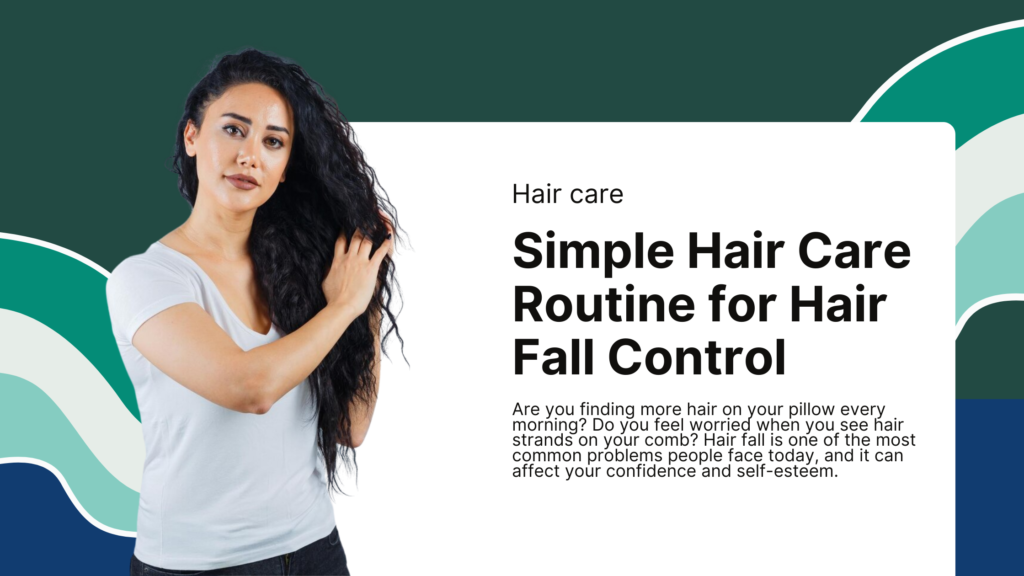
Simple Hair Care Routine for Hair Fall Control Are you finding more hair on your pillow every morning? Do you feel worried when you see hair strands on your comb? Hair fall is one of the most common problems people face today, and it can affect your confidence and self-esteem. The good news is that with the right hair care routine, you can control hair fall and improve your hair’s health. You don’t need expensive products or complicated treatments to see results. Sometimes, simple changes in how you care for your hair can make a huge difference. In this guide, we’ll share an easy-to-follow routine that helps reduce hair fall and promotes healthier, stronger hair. Understanding Hair Fall: What’s Normal and What’s Not? Before we start worrying about every strand that falls, let’s understand what’s normal. Everyone loses hair daily. It’s a natural part of the hair growth cycle. On average, losing 50 to 100 hair strands per day is completely normal. Your hair goes through three phases: growing, resting, and falling. When one hair falls, a new one starts growing in its place. However, if you notice more hair fall than usual, or if you see bald patches, thinning areas, or your hairline receding, then it’s time to take action. Common Causes of Excessive Hair Fall Understanding why your hair is falling helps you fix the problem more effectively. Stress and Anxiety: When you’re stressed, your body responds in many ways, and one of them is hair loss. High stress levels push more hair into the falling phase. Poor Nutrition: Your hair needs vitamins, minerals, and proteins to grow strong. If your diet lacks these nutrients, your hair becomes weak and falls easily. Harsh Hair Products: Shampoos with strong chemicals, styling gels, and hair colors can damage your hair and scalp, leading to hair fall. Heat Styling: Using straighteners, curlers, and blow dryers frequently damages the hair shaft, making it brittle and prone to breakage. Hormonal Changes: Pregnancy, childbirth, menopause, and thyroid problems can cause temporary or long-term hair loss. Lack of Sleep: When you don’t sleep enough, your body doesn’t repair and regenerate properly, affecting hair growth. Tight Hairstyles: Pulling your hair back tightly in ponytails, buns, or braids can cause hair fall from the roots. Scalp Infections: Fungal infections, dandruff, or other scalp conditions can weaken hair roots and cause excessive shedding. Medical Conditions: Sometimes, hair fall is a symptom of underlying health issues like anemia, diabetes, or autoimmune diseases. If you’re experiencing severe hair fall that doesn’t improve with home care, it’s wise to consult a hair specialist in Hadapsar who can identify the root cause and suggest appropriate treatment. The Simple Daily Hair Care Routine for Hair Fall Control Now let’s look at a practical, easy-to-follow routine that helps control hair fall and improves hair health. Morning Routine Gentle Brushing Start your day by brushing your hair gently. Use a wide-toothed comb or a soft-bristle brush. Never brush wet hair as it’s more prone to breakage. Begin from the ends and slowly work your way up to the roots. This prevents tangles and reduces hair fall caused by aggressive brushing. Spend just 2-3 minutes doing this, and you’ll notice less hair on your brush over time. Scalp Massage Take 5 minutes every morning for a gentle scalp massage. Use your fingertips (not nails) to massage your scalp in circular motions. This simple practice increases blood circulation to your hair roots, bringing more nutrients and oxygen. Better blood flow means healthier hair follicles and reduced hair fall. You can do this massage while watching TV or during your morning routine. No special skills needed – just gentle, consistent pressure. Protective Styling If you’re heading out, choose hairstyles that don’t pull on your hair. Avoid tight ponytails, buns, or braids. Let your hair breathe and move naturally. If you must tie it, use soft fabric scrunchies instead of rubber bands that can break hair. Washing Routine (2-3 Times Per Week) Choosing the Right Shampoo Pick a mild, sulfate-free shampoo that suits your hair type. If you have oily hair, look for clarifying shampoos. For dry hair, choose moisturizing formulas. For dandruff or itchy scalp, use anti-dandruff shampoos with natural ingredients. Read the ingredient list. Avoid shampoos with harsh sulfates, parabens, and artificial fragrances. Natural ingredients like aloe vera, neem, hibiscus, and tea tree oil are gentle and effective. Proper Washing Technique Don’t wash your hair every day unless it’s extremely oily. Washing too frequently strips away natural oils that protect your hair and scalp. When you wash, wet your hair completely with lukewarm water (not hot). Take a small amount of shampoo, rub it between your palms, and apply it to your scalp, not the hair length. Massage your scalp gently with fingertips in circular motions for 2-3 minutes. This cleanses the scalp and stimulates blood flow. The shampoo that runs down while rinsing will clean the hair length. Rinse thoroughly with cool or lukewarm water. Make sure no shampoo residue remains, as it can cause scalp irritation and hair fall. Conditioning Properly After shampooing, apply conditioner from mid-length to the ends of your hair. Avoid applying conditioner to your scalp as it can make roots greasy and weak. Leave the conditioner for 2-3 minutes, then rinse thoroughly with cool water. Cool water helps seal the hair cuticles, making hair smoother and shinier. Drying Your Hair Never rub your hair vigorously with a towel. This causes breakage and hair fall. Instead, gently squeeze out excess water and wrap your hair in a soft cotton towel or an old t-shirt. Let your hair air-dry whenever possible. If you must use a blow dryer, use the cool setting and keep it at least 6 inches away from your hair. Always apply a heat protectant spray before using any heat styling tools. Scar Treatment and Skin Texture Improvement Scars can affect both appearance and self-confidence. Scar treatment involves improving skin texture, reducing depth, and blending scars with surrounding skin.

Simple Hair Care Routine for Hair Fall Control Read More »

Scroll to Top