SkinAngel

January 2026

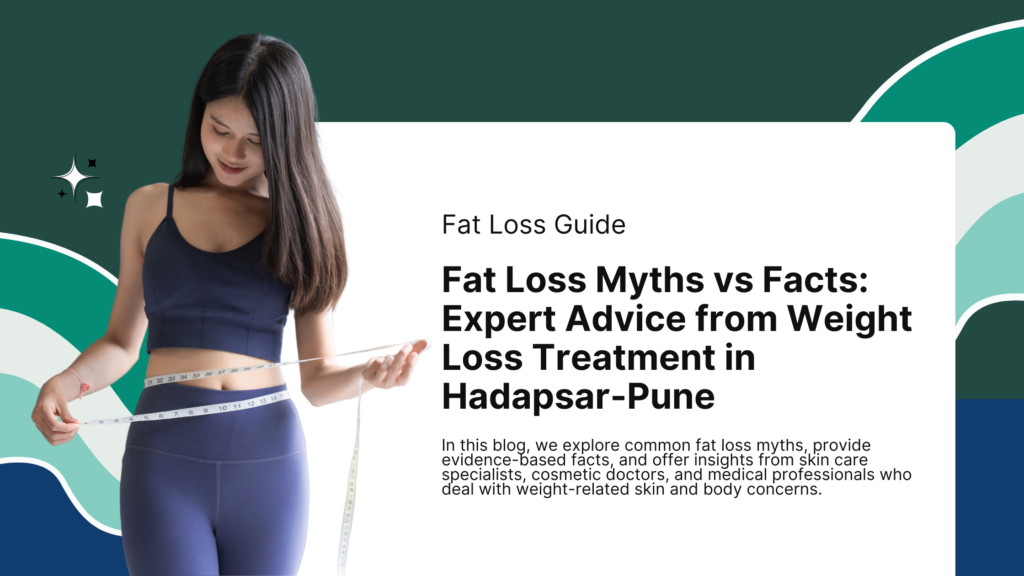
Fat Loss Myths vs Facts: Expert Advice from Weight Loss Treatment in Hadapsar-Pune

Fat Loss Myths vs Facts: Expert Advice from Weight Loss Treatment in Hadapsar-Pune Weight Loss Treatment in Hadapsar Pune has become a trusted resource for patients looking to achieve healthier body composition and sustainable fat loss. With the overwhelming amount of information available online, it’s easy to fall for misconceptions about diet, exercise, and metabolism. Understanding the difference between fat loss myths and scientifically proven facts is crucial to achieving realistic and lasting results. In this blog, we explore common fat loss myths, provide evidence-based facts, and offer insights from skin care specialists, cosmetic doctors, and medical professionals who deal with weight-related skin and body concerns. Myth 1: Spot Reduction Is Possible Many people believe that doing hundreds of sit-ups will specifically reduce belly fat or that arm exercises alone can tone the arms. Unfortunately, this is a myth. Fat loss occurs systemically; your body decides where it sheds fat based on genetics and hormone regulation. While targeted exercises strengthen and tone muscles in specific areas, they don’t selectively burn fat from that spot. Fact: Effective fat loss involves a combination of balanced nutrition, cardiovascular activity, and strength training. A qualified skin care specialist or cosmetic doctor can also advise on treatments that support body contouring after fat reduction to improve skin elasticity and appearance. Myth 2: Skipping Meals Helps You Lose Weight Faster Skipping meals may seem like a quick way to cut calories, but it can backfire. Eating too little can slow metabolism, lead to nutrient deficiencies, and trigger overeating later. Many patients trying weight loss treatments in Hadapsar-Pune report that irregular eating patterns worsen cravings and reduce energy levels, affecting overall fat loss. Fact: Eating regular, balanced meals with the right macronutrient mix—proteins, healthy fats, and complex carbohydrates—supports metabolism and keeps hunger under control. Incorporating professional advice from a skin care specialist can ensure that dietary plans also promote healthy skin and prevent issues like breakouts or dryness, which sometimes accompany rapid weight changes. Myth 3: Carbs Are the Enemy Low-carb diets have been popularized as a surefire method for fat loss. While reducing refined carbs can help, cutting all carbohydrates is unnecessary and can be harmful. Carbohydrates are the body’s primary energy source, and depriving yourself can lead to fatigue, dizziness, and poor exercise performance. Fact: Focus on the quality of carbohydrates rather than eliminating them entirely. Whole grains, vegetables, and fruits provide essential fiber, vitamins, and minerals that support metabolism and overall health. Cosmetic doctors often emphasize balanced nutrition, as excessive weight loss or poor diet can lead to skin sagging or dullness. Myth 4: Fat Makes You Fat Dietary fat has long been vilified, leading many to avoid it entirely. However, healthy fats are essential for hormone regulation, brain function, and absorption of fat-soluble vitamins. Eliminating fat can compromise your metabolism and affect skin health. Fact: Include sources of healthy fats such as nuts, seeds, olive oil, and fatty fish. These fats promote satiety, prevent unhealthy snacking, and support glowing skin—an important consideration highlighted by skin specialists during weight loss consultations. Myth 5: Supplements Alone Can Burn Fat The market is flooded with fat-burning supplements claiming to melt fat effortlessly. Relying solely on pills or powders without lifestyle changes is ineffective and potentially harmful. Patients seeking weight loss treatment in Hadapsar-Pune often require guidance to distinguish between effective supplements and unproven products. Fact: Sustainable fat loss comes from a combination of nutrition, exercise, behavioral changes, and, in some cases, medically supervised treatments. A cosmetic doctor or qualified skin care specialist can recommend safe supplements that complement a structured fat loss plan. Myth 6: Rapid Weight Loss Is the Best Way Crash diets promising dramatic results in a few days or weeks can be dangerous. Rapid weight loss can lead to muscle loss, nutritional deficiencies, and rebound weight gain. It also affects skin health, potentially causing sagging, stretch marks, and dullness. Fact: Gradual, consistent fat loss is healthier and more sustainable. Patients working with weight loss treatments in Hadapsar-Pune often achieve better results by combining moderate calorie reduction, physical activity, and skin-supporting interventions from aesthetic doctors to maintain skin tone and elasticity. Myth 7: Cardio Is Enough While cardiovascular exercise is beneficial for heart health and calorie burning, relying solely on cardio can limit fat loss results. Strength training is essential for building lean muscle, which in turn boosts metabolism and helps burn more fat at rest. Fact: A balanced exercise program includes both cardio and resistance training. For patients under cosmetic or skin specialist supervision, combining exercise with treatments such as body contouring, fat reduction therapies, or skin tightening can enhance aesthetic outcomes and overall satisfaction. Myth 8: All Calories Are Equal The notion that fat loss is just about eating fewer calories oversimplifies the process. The quality of food impacts hormones, metabolism, and satiety. 100 calories of sugary snacks do not have the same effect as 100 calories of protein-rich foods. Fact: Focus on nutrient-dense foods that provide energy, promote satiety, and maintain muscle mass. Skin specialists also emphasize the role of nutrition in preventing skin problems during fat loss, such as dryness, acne, or uneven tone. Expert Advice for Effective Fat Loss Patients seeking weight loss treatment benefit from a holistic approach that includes: Personalized Nutrition Plans: Developed based on body type, medical history, and metabolic needs. Structured Exercise Programs: Combining cardio, resistance training, and flexibility exercises. Medical Supervision: Cosmetic doctors monitor for skin, hormonal, and metabolic changes. Skin Care Support: Skin specialists advise on treatments to prevent sagging, stretch marks, and pigmentation issues during fat loss. Behavioral Coaching: Mindful eating, sleep hygiene, and stress management to support sustainable results. Conclusion Understanding the difference between fat loss myths and facts is essential for anyone pursuing a healthier body and sustainable results. Quick fixes, extreme diets, or over-reliance on supplements can lead to disappointment, health risks, and skin problems. Instead, combining scientifically backed nutrition, structured exercise, and professional guidance from weight loss treatment in Pune ensures safe, effective, and lasting fat reduction.

Fat Loss Myths vs Facts: Expert Advice from Weight Loss Treatment in Hadapsar-Pune Read More »
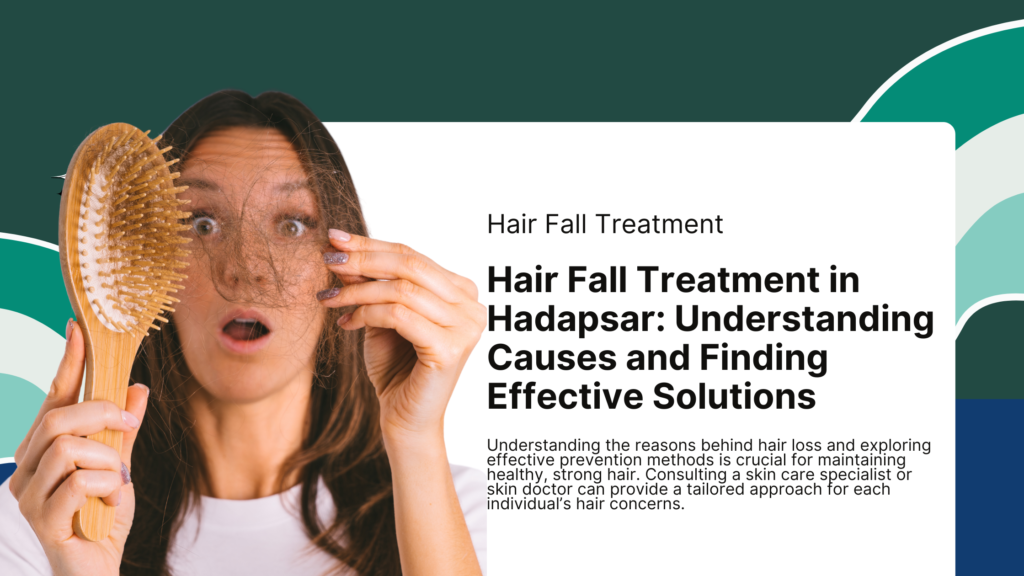
Hair Fall Treatment in Hadapsar: Understanding Causes and Finding Effective Solutions

Hair Fall Treatment in Hadapsar: Understanding Causes and Finding Effective Solutions Hair Fall Treatment in Hadapsar is becoming an increasingly sought-after solution as more people face hair thinning and hair loss due to various factors. Hair loss is not just a cosmetic concern—it can affect self-esteem, emotional health, and overall confidence. Understanding the reasons behind hair loss and exploring effective prevention methods is crucial for maintaining healthy, strong hair. Consulting a skin care specialist or skin doctor can provide a tailored approach for each individual’s hair concerns. What Causes Hair Loss? Hair loss, medically known as alopecia, can happen due to several reasons. Understanding these causes can help in preventing further hair damage: 1. Genetic Factors One of the most common causes of hair loss is genetics. Androgenetic alopecia, often referred to as male or female pattern baldness, is hereditary. If hair loss runs in your family, you may be predisposed to experience it over time. 2. Hormonal Imbalances Hormones play a significant role in hair growth. Conditions such as thyroid disorders, polycystic ovarian syndrome (PCOS), and menopause can lead to hair thinning. Hormonal shifts after pregnancy can also cause temporary hair shedding. 3. Stress and Lifestyle High levels of physical or emotional stress can trigger a condition called telogen effluvium, where hair prematurely enters the shedding phase. Poor sleep, unhealthy eating habits, and lack of exercise can also contribute to hair loss. 4. Nutritional Deficiencies Hair needs essential nutrients to grow strong and healthy. Deficiencies in iron, vitamin D, zinc, and proteins can weaken hair follicles, causing excessive hair fall. A skin care specialist often recommends dietary modifications or supplements as part of a comprehensive hair fall treatment. 5. Medical Conditions and Medications Certain illnesses, infections, or medications such as chemotherapy, blood thinners, and antidepressants can lead to hair loss. Autoimmune diseases like alopecia areata can also result in patchy hair loss. 6. Hair Care Practices Over-styling, frequent use of heat tools, chemical treatments, tight hairstyles, and harsh shampoos can damage hair and scalp health. This often leads to breakage and temporary or permanent hair loss. Signs That You Should Seek Professional Help Not all hair fall is a cause for concern. However, it’s important to consult a skin doctor if you notice: Sudden or patchy hair loss Excessive shedding over several months Thinning along the hairline or crown Scalp irritation, redness, or pain Early intervention by a skin care specialist can prevent further hair damage and help maintain healthy hair. Prevention and Management Strategies Preventing hair loss requires a combination of proper hair care, lifestyle changes, and sometimes medical intervention. Here are some effective strategies recommended by skin treatment experts: 1. Maintain a Balanced Diet Ensure your diet is rich in proteins, iron, vitamins, and minerals. Foods such as eggs, nuts, leafy vegetables, fish, and fruits support hair growth and strengthen hair follicles. 2. Manage Stress Effectively Incorporate stress-relieving practices such as yoga, meditation, or deep breathing exercises. Reducing stress can improve overall scalp health and reduce hair shedding. 3. Gentle Hair Care Routine Avoid excessive heat styling and chemical treatments. Use mild shampoos and conditioners, and gently massage the scalp to improve blood circulation. Regular trims prevent split ends and hair breakage. 4. Medical Treatments For severe hair loss, a skin doctor may recommend treatments such as: Minoxidil: A topical solution to stimulate hair growth Platelet-Rich Plasma (PRP) Therapy: Injections that boost hair follicle regeneration Laser Therapy: Non-invasive method to stimulate hair growth Prescription Medications: To address hormonal imbalances 5. Regular Check-ups Routine visits to a skin care specialist or skin expert ensure that underlying conditions are identified early. Personalized treatment plans can be developed to target specific causes of hair loss. 6. Lifestyle Modifications Avoid smoking and limit alcohol consumption. Adequate sleep, regular exercise, and proper hydration are crucial for hair and scalp health. When Hair Loss is Temporary vs. Permanent It’s important to understand that not all hair loss is permanent. Temporary hair loss may result from stress, pregnancy, illness, or medications and can be reversed with proper care. Permanent hair loss often stems from genetic factors or long-term scalp conditions. A consultation with a skin doctor helps distinguish between the two and tailor an effective hair fall treatment in Hadapsar. The Role of a Skin Specialist A qualified skin care specialist or skin expert evaluates your hair health, scalp condition, and lifestyle factors to recommend a holistic approach. From identifying nutritional deficiencies to offering advanced skin treatments for hair restoration, a specialist ensures safe and effective results. Conclusion Hair loss can be distressing, but with the right knowledge and care, it can often be managed and prevented. Maintaining a healthy lifestyle, following proper hair care routines, and consulting a professional for tailored hair fall treatment in Hadapsar are key steps in protecting your hair. Early intervention not only prevents further loss but also promotes thicker, stronger, and healthier hair. For anyone experiencing hair thinning or shedding, seeking advice from a skin doctor, skin care specialist, or skin treatment expert is the most effective way to safeguard hair health and regain confidence. Remember, healthy hair reflects overall well-being, and preventive care today ensures lasting results tomorrow. Hair Fall Treatment in Hadapsar remains a vital resource for anyone looking to combat hair loss and maintain the natural beauty of their hair. Frequently Asked Questions Frequently asked question find out more Have questions about our dermatology services? Our ‘Frequently Asked Questions’ section. ENQURY NOW What are the main causes of hair loss? Genetics, hormonal imbalances, stress, nutritional deficiencies, medical conditions, and hair care practices are common causes. When should I consult a skin doctor for hair fall? If hair loss is sudden, patchy, excessive, or accompanied by scalp irritation, it’s best to see a specialist. Can stress really cause hair loss? Yes, high stress can trigger telogen effluvium, leading to temporary hair shedding. What foods help prevent hair fall? Protein-rich foods, leafy vegetables, nuts, eggs, and fish help strengthen hair and promote growth. Are there effective

Hair Fall Treatment in Hadapsar: Understanding Causes and Finding Effective Solutions Read More »

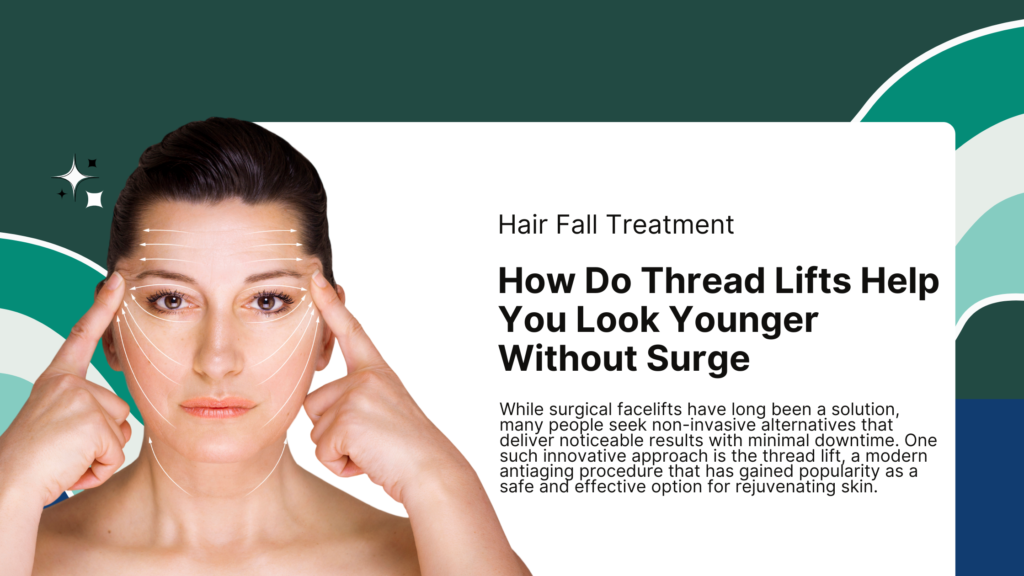
How Do Thread Lifts Help You Look Younger Without Surgery?

How Do Thread Lifts Help You Look Younger Without Surgery? Aging is a natural process, but visible signs like sagging skin, fine lines, and loss of facial firmness can affect confidence and self-esteem. While surgical facelifts have long been a solution, many people seek non-invasive alternatives that deliver noticeable results with minimal downtime. One such innovative approach is the thread lift, a modern antiaging procedure that has gained popularity as a safe and effective option for rejuvenating skin. In this blog, we will explore how thread lifts work, who can benefit, the procedure, and long-term results, while naturally integrating insights about Antiaging Treatment, choosing a skin specialist in Hadapsar, and consulting the top cosmetic doctor. Understanding Thread Lifts A thread lift is a minimally invasive cosmetic procedure designed to lift and tighten sagging skin without traditional surgery. Unlike surgical facelifts, which require incisions and long recovery periods, thread lifts use biodegradable threads inserted under the skin using fine needles or cannulas. These threads lift the tissue mechanically while stimulating collagen production, which helps improve skin elasticity, firmness, and overall texture. Key Benefits of Thread Lifts: Immediate lifting of sagging skin Natural-looking results with no surgical scars Minimal downtime and quicker recovery Stimulates collagen for long-term skin rejuvenation Enhances facial contours and softens fine lines For individuals seeking a non-surgical antiaging solution, thread lifts have become a preferred option under Antiaging Treatment, especially when performed by a certified skin expert in Hadapsar. How Thread Lifts Work Thread lifts involve the careful placement of dissolvable threads beneath the skin. These threads have tiny cones or barbs that grip tissue and lift it to a more youthful position. Once in place, the threads provide a structural lift, while the body’s natural healing response stimulates collagen production around the threads. This collagen induction helps maintain skin firmness and smoothness even after the threads dissolve naturally over several months. The procedure is ideal for addressing: Mild to moderate sagging of cheeks and jawline Loose skin under the eyes or neck Fine lines and nasolabial folds (smile lines) Loss of facial elasticity Thread lifts are especially suitable for patients noticing early signs of aging who want natural rejuvenation without the risks and costs of surgery. Who Can Benefit From Thread Lifts? Thread lifts are perfect for adults between 30 and 50 years old experiencing mild to moderate skin sagging. Ideal candidates typically have: Early wrinkles or fine lines Slight drooping of cheeks, jawline, or eyebrows Loss of skin elasticity or firmness Patients with severe skin laxity or advanced sagging may require traditional surgical facelifts. Consulting a cosmetic doctor ensures that you receive a personalized evaluation and a treatment plan tailored to your unique skin needs. The Procedure and Recovery Thread lifts are performed under local anesthesia, making the procedure comfortable and relatively quick. Depending on the area treated, sessions typically last 30–90 minutes. Post-Procedure Care: Avoid strenuous exercise for 1 week Follow instructions on cleansing and moisturizing provided by your skin specialist Protect treated areas with sunscreen Avoid excessive facial movements for the first few days Most patients experience mild swelling or bruising, which typically subsides within a week. Many see immediate lifting effects, while ongoing collagen production continues to enhance firmness and texture over the next few months. Comparing Thread Lifts With Other Antiaging Treatments When comparing thread lifts with other antiaging treatments, several key differences stand out in terms of invasiveness, recovery time, and results. A thread lift is a minimally invasive procedure that requires only a few days of recovery and delivers immediate lifting effects along with long-term collagen stimulation. In contrast, a surgical facelift is a fully invasive treatment with a recovery period of several weeks, but it provides more dramatic and long-lasting results. Dermal fillers are non-surgical and involve minimal downtime, mainly focusing on restoring lost volume; however, their results are temporary. Similarly, Botox is a non-surgical option with little to no recovery time, primarily aimed at reducing wrinkles, but its effects are also temporary. Overall, thread lifts strike an ideal balance between noticeable results and convenience, making them a popular antiaging choice for busy professionals or individuals who want effective rejuvenation without undergoing invasive surgery. Long-Term Benefits of Thread Lifts One of the most important advantages of thread lifts is collagen stimulation, which gradually improves skin firmness and elasticity. Results typically last 12–18 months, depending on age, lifestyle, and skin type. To maintain results: Follow a consistent skincare routine including gentle cleansing, hydration, and sunscreen Schedule periodic follow-ups with your skin doctor in Hadapsar Avoid smoking and excessive sun exposure Combine with other antiaging treatments in Hadapsar like dermal fillers or professional facials for enhanced outcomes Choosing the Right Specialist Selecting a qualified skin specialist is crucial for safe and effective results. Look for: Certified training in cosmetic procedures Experience performing thread lifts Positive patient reviews and visible before-after results A professional evaluation ensures personalized treatment, optimal thread placement, and long-lasting natural-looking results. Conclusion Thread lifts are a revolutionary, non-surgical solution for anyone looking to achieve firmer, younger-looking skin. With minimal downtime, immediate lifting effects, and long-term collagen stimulation, thread lifts offer a practical alternative to traditional facelifts. Consulting a cosmetic doctor or skin specialist in Hadapsar ensures that you receive a customized treatment plan, tailored to your skin type and aging concerns. Combined with proper skincare and healthy lifestyle habits, thread lifts can help maintain youthful, radiant skin for years to come. For those seeking effective Antiaging Treatment without surgery, thread lifts provide an ideal balance of safety, convenience, and natural results. 5 Best User Query FAQs Are thread lifts safe for all skin types? Yes, thread lifts are generally safe for most skin types. A consultation with a best cosmetic doctor in Hadapsar ensures suitability and identifies the best threads and technique for your facial structure. How long does a thread lift procedure take? Typically, a thread lift takes 30–90 minutes depending on the treatment area. Local anesthesia ensures minimal discomfort. Will thread lifts look natural? Yes.

How Do Thread Lifts Help You Look Younger Without Surgery? Read More »

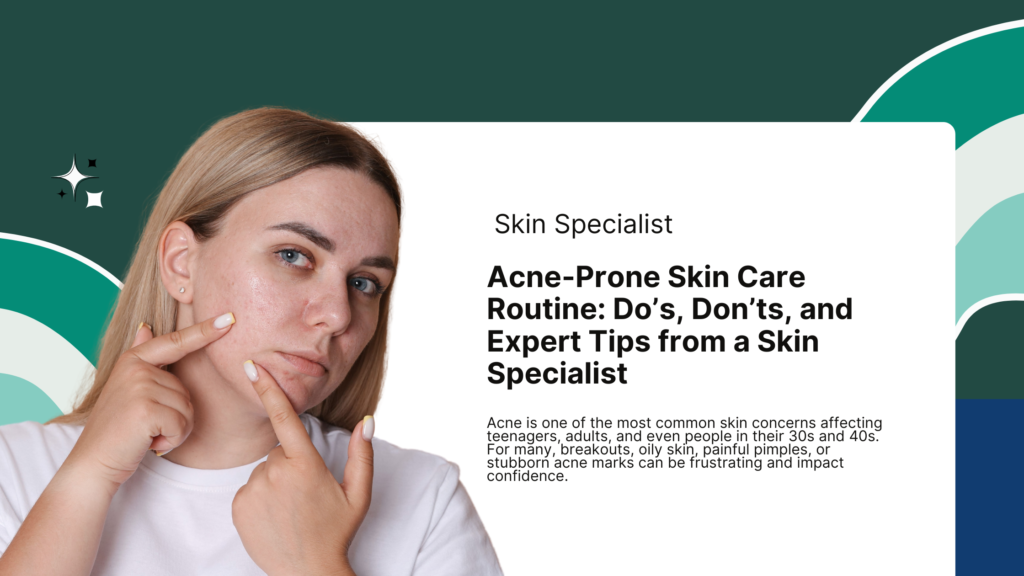
Acne-Prone Skin Care Routine: Do’s, Don’ts, and Expert Tips from a Skin Specialist

Acne-Prone Skin Care Routine: Do’s, Don’ts, and Expert Tips from a Skin Specialist Acne is one of the most common skin concerns affecting teenagers, adults, and even people in their 30s and 40s. For many, breakouts, oily skin, painful pimples, or stubborn acne marks can be frustrating and impact confidence. Acne Treatment in Hadapsar is a topic many patients search for, as they look for safe and effective ways to manage this persistent skin condition. While acne may seem simple, it requires consistent care, the right habits, and professional guidance to prevent worsening breakouts and long-term scarring. This blog explains a complete acne-prone skin care routine, including daily care, expert do’s and don’ts, and professional treatment tips to help patients achieve healthier skin. Understanding Acne-Prone Skin Acne-prone skin is more sensitive to factors that trigger breakouts, including clogged pores, excess oil, bacteria, and inflammation. Several factors influence acne: Hormonal Changes: Puberty, menstruation, pregnancy, or stress can trigger oil overproduction. Genetics: Some people naturally produce more sebum or have sensitive skin prone to acne. Lifestyle Factors: Diet, stress, sleep patterns, and exposure to pollution can worsen acne. Cosmetic Products: Heavy, comedogenic makeup or harsh skincare can aggravate acne. Important Note: Acne is not caused by poor hygiene. Overwashing or using harsh scrubs can damage the skin barrier, making acne worse. A gentle and consistent skincare routine is essential for controlling breakouts. Daily Skin Care Routine for Acne-Prone Skin A proper daily routine is the cornerstone of acne management. Here’s a detailed breakdown: 1. Gentle Cleansing Frequency: Twice daily—morning and night. Products: Mild, non-comedogenic cleansers that remove dirt, oil, and makeup without stripping the skin. Expert Tip: Avoid harsh scrubs with rough granules. These irritate active acne and can spread bacteria, worsening breakouts. 2. Use the Right Moisturizer Myth Busted: Many believe acne-prone skin doesn’t need moisturizer. In reality, skipping hydration can trigger more oil production, which clogs pores. What to Use: Lightweight, oil-free moisturizers Gel-based or water-based formulations Non-comedogenic products Benefit: Proper hydration supports skin barrier repair and improves tolerance to acne treatments. 3. Sun Protection Why It Matters: Sun exposure can darken acne marks, worsen pigmentation, and increase inflammation. Some acne medications also make skin sensitive to sunlight. Recommended Use: Broad-spectrum sunscreen with SPF 30 or higher Gel or matte formulations for oily skin Daily application, even indoors or on cloudy days Do’s for Acne-Prone Skin 1. Keep Your Routine Simple Use only essential products: cleanser, moisturizer, sunscreen, and doctor-recommended treatments. Avoid using too many products at once; this increases the risk of irritation. 2. Maintain Clean Habits Change pillowcases regularly to reduce bacterial contact. Clean makeup brushes at least once a week. Avoid touching your face frequently, which can transfer bacteria and oil. 3. Follow Expert Advice Acne severity differs between individuals. A qualified skin doctor can assess whether you have comedonal acne, inflammatory acne, hormonal acne, or cystic acne and recommend appropriate treatments. Don’ts for Acne-Prone Skin 1. Do Not Pick or Pop Pimples Popping spreads bacteria, increases inflammation, and can lead to permanent scars or dark marks. 2. Avoid Harsh Home Remedies Common DIY remedies like lemon juice, toothpaste, baking soda, or alcohol-based solutions can damage the skin barrier and worsen acne. 3. Do Not Overwash Washing more than twice a day strips natural oils, leading to rebound oil production and more breakouts. Expert-Recommended Practices for Acne Control 1. Targeted Acne Treatments Depending on your skin type and acne severity, a skin doctor may recommend: Salicylic Acid: Helps unclog pores and control oil Benzoyl Peroxide: Kills acne-causing bacteria Retinoids: Support cell turnover and prevent clogged pores Azelaic Acid: Reduces inflammation and pigmentation Expert Tip: Use these treatments under a skin doctor’s guidance to ensure effectiveness and prevent irritation. 2. Professional Skin Treatments For moderate to severe acne or persistent acne scars, professional procedures may be advised: Chemical peels Medicated facials Light-based therapies (like laser or LED treatments) These treatments are customized by a skin specialist to suit individual skin needs. 3. Manage Lifestyle Triggers Stress Management: Sleep well, practice yoga or meditation Balanced Diet: Reduce excessive sugar and highly processed foods Hydration: Drink plenty of water to support skin health While diet alone does not cause acne, a healthy lifestyle can help reduce flare-ups. Acne Care for Different Age Groups Teen Acne Hormonal changes trigger excess oil production. Gentle cleansing, early treatment, and professional guidance prevent severe breakouts and scarring. Adult Acne Factors like stress, hormonal imbalance, and lifestyle habits contribute to adult acne. Anti-inflammatory care and skin barrier repair are crucial. Sensitive, Acne-Prone Skin Requires minimal products and professional guidance. Avoid harsh ingredients that can trigger irritation. When to Consult a Skin Doctor Consult a skin doctor if: Acne persists for several months Pimples leave marks or scars Acne causes pain or discomfort Why It Matters: Early professional treatment reduces scarring, controls inflammation, and improves overall skin health. Self-treatment without guidance can delay healing and worsen acne. Long-Term Acne Management Acne management is not a quick fix. Patience, consistency, and realistic expectations are key. Effective long-term acne care involves: A gentle daily skincare routine Healthy lifestyle habits Professional guidance and targeted treatments With consistent care, acne-prone skin can gradually become calmer, healthier, and more balanced. Conclusion Acne Treatment in Hadapsar is more than just clearing pimples—it’s about understanding your skin, avoiding harmful habits, and following expert-recommended routines. By maintaining a gentle daily routine, protecting your skin from the sun, and seeking professional guidance when needed, acne-prone skin can improve significantly over time. Invest in your skin today—it’s an investment in confidence, health, and long-term beauty. FAQs 1. Should I avoid moisturizers if I have oily, acne-prone skin? No. Using a lightweight, oil-free moisturizer prevents excessive dryness and balances oil production, supporting better acne control. 2. Are home remedies effective for acne treatment? Most harsh home remedies like lemon juice, baking soda, or toothpaste can irritate the skin and worsen acne. Expert-approved products are safer. 3. How long does it take to see results from acne

Acne-Prone Skin Care Routine: Do’s, Don’ts, and Expert Tips from a Skin Specialist Read More »

Scroll to Top