

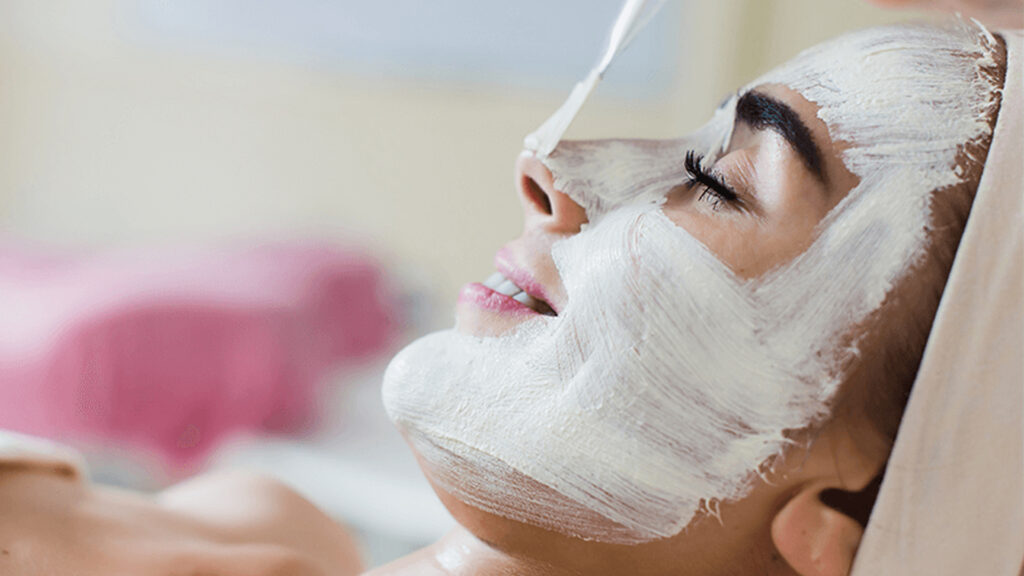
Definition: A dermal or chemical peel is a cosmetic procedure performed by a dermatologist or trained medical professional to improve the appearance and texture of the skin. It involves applying a chemical solution to the skin, causing controlled exfoliation of the outermost layers. This process aims to reveal fresher, smoother, and more youthful-looking skin.
Types of Peels:
- Superficial Peels: These peels target the outermost layer of the skin (epidermis) and are generally mild. They use milder acids like alpha hydroxy acids (AHAs) and beta hydroxy acids (BHAs). Superficial peels are used to improve skin texture, reduce fine lines, and address mild discolorations. There’s minimal downtime, and multiple sessions may be needed for optimal results.
- Medium Peels: Medium-depth peels penetrate deeper into the epidermis and reach the upper layer of the dermis. Trichloroacetic acid (TCA) is a common acid used for medium peels. These peels are effective for addressing moderate wrinkles, pigmentation issues, and acne scars. Downtime is usually longer compared to superficial peels, and proper aftercare is crucial.
- Deep Peels: Deep peels penetrate even further into the dermis. Phenol is a commonly used acid for deep peels. These peels are highly effective for treating deep wrinkles, severe sun damage, and significant pigmentation irregularities. Due to the depth of penetration, downtime is more extensive, and the procedure is often performed under sedation or anesthesia.
Procedure:
- Preparation: Before the peel, the skin is typically cleansed to remove any makeup, oils, or debris. Depending on the type of peel, the medical professional may recommend certain skincare preparations to optimize results and reduce the risk of complications.
- Application: The chemical solution is applied to the targeted area using a brush or cotton applicator. The solution is left on the skin for a specific amount of time, determined by the type of peel and the desired results.
- Neutralization: After the appropriate time, the medical professional neutralizes the chemical solution using water or a specialized neutralizing agent. This stops the peeling process and prevents the solution from penetrating too deeply.
- Post-Peel Care: After the peel, the skin may feel tight, sensitive, and may exhibit redness. Depending on the depth of the peel, there may be visible peeling and flaking over the next few days. It’s crucial to follow post-peel instructions provided by the medical professional to ensure proper healing and optimal results. These instructions often include using gentle cleansers, moisturizers, avoiding sun exposure, and applying sunscreen.
Benefits:
- Improved Skin Texture: Peels exfoliate dead skin cells, promoting smoother and softer skin.
- Reduced Hyperpigmentation: Peels can help fade dark spots and uneven skin tone.
- Reduced Wrinkles and Fine Lines: Peels stimulate collagen production, leading to a reduction in the appearance of wrinkles.
- Acne Treatment: Chemical peels can help unclog pores, reduce acne, and improve the appearance of acne scars.
- Overall Skin Rejuvenation: Dermal peels promote the growth of fresh skin cells, giving the skin a more youthful appearance.
Risks and Considerations:
While chemical peels are generally safe when performed by trained professionals, there are some risks to consider:
- Redness and Irritation: Mild redness, swelling, and discomfort are common immediately after the procedure.
- Hyperpigmentation/Hypopigmentation: In some cases, changes in skin pigmentation can occur.
- Scarring: Improper application or deep peels can potentially lead to scarring.
- Infection: Rarely, infections can occur if proper aftercare isn’t followed.
- Sensitivity: Post-peel skin can be more sensitive to sunlight, so sun protection is crucial.
Consultation:
Before undergoing a chemical peel, it’s essential to have a consultation with a qualified medical professional. They will assess your skin type, concerns, and medical history to recommend the most appropriate type and depth of peel for your needs. Additionally, they will provide detailed instructions for pre and post-peel care to ensure the best possible outcome.
Dermal/chemical peels are versatile cosmetic procedures that can help improve various skin concerns, from fine lines to pigmentation issues. The choice of peel type depends on your goals, skin condition, and the recommendation of a skilled medical professional. Following proper aftercare instructions and maintaining a healthy skincare routine can maximize the benefits of the peel and contribute to long-lasting results.