

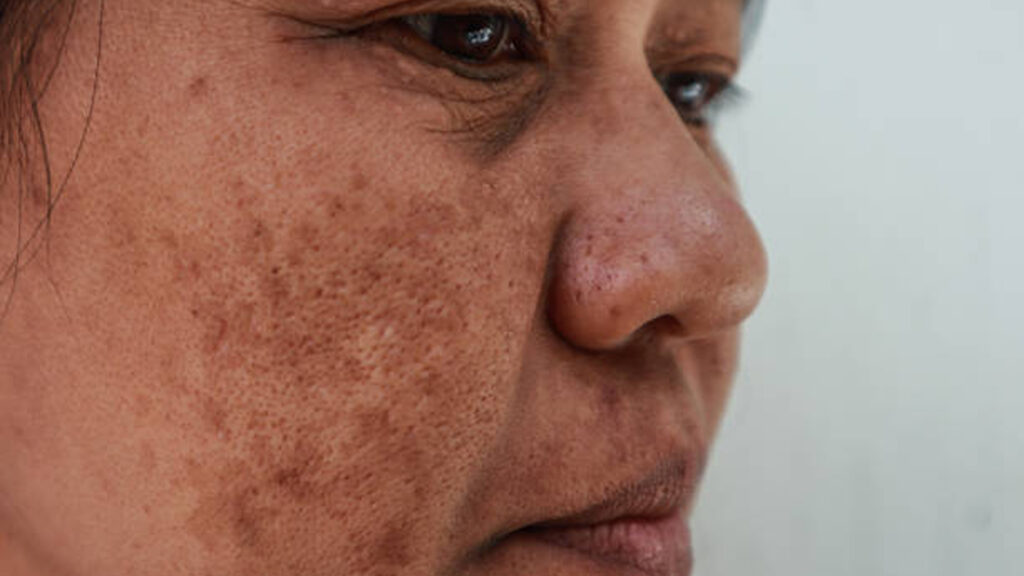
These skin concerns are often related to an overproduction of melanin, the pigment responsible for skin color. Here’s a comprehensive overview:
- Skincare Routine:
- Cleansing: Start with a gentle cleanser to remove dirt, oil, and makeup.
- Exfoliation: Use exfoliating products with alpha hydroxy acids (AHAs) or beta hydroxy acids (BHAs) to promote cell turnover and fade pigmentation.
- Serums: Look for serums with ingredients like vitamin C, niacinamide, and kojic acid, which can help inhibit melanin production and even out skin tone.
- Sunscreen: Apply a broad-spectrum sunscreen (SPF 30 or higher) daily to prevent further darkening and protect skin from UV damage.
- Topical Lightening Agents:
- Hydroquinone: Available in both prescription and over-the-counter formulations, hydroquinone inhibits melanin production and is effective for treating dark spots and melasma. Long-term use should be monitored by a dermatologist due to potential side effects.
- Kojic Acid: Derived from mushrooms, kojic acid can help lighten pigmentation by suppressing melanin production.
- Alpha Arbutin: A natural derivative of hydroquinone, alpha arbutin is considered a safer alternative for lightening dark spots.
- Niacinamide: Also known as vitamin B3, niacinamide can help regulate pigment production and improve skin barrier function.
- Chemical Peels:
- Glycolic Acid Peels: These superficial peels exfoliate the top layer of skin, reducing pigmentation and promoting cell turnover.
- Salicylic Acid Peels: Effective for treating pigmentation associated with acne, these peels also unclog pores and control oil production.
- Lactic Acid Peels: A milder option suitable for sensitive skin, lactic acid peels improve texture and pigmentation.
- Microneedling:
- Microneedling involves using a device with tiny needles to create controlled micro-injuries in the skin. This stimulates collagen production and can improve the appearance of pigmentation and dark spots over time.
- Laser and Light Therapies:
- Intense Pulsed Light (IPL): IPL targets pigmentation with pulses of light, breaking down melanin clusters and promoting skin rejuvenation.
- Fractional Laser: Fractional lasers create microscopic treatment zones to stimulate collagen production and gradually improve pigmentation.
- Prescription Medications:
- Topical Retinoids: Prescription retinoids like tretinoin can promote cell turnover, improve skin texture, and fade pigmentation.
- Combination Creams: Dermatologists may prescribe creams containing a mix of ingredients like hydroquinone, tretinoin, and a steroid to address different aspects of pigmentation.
- Medical Procedures:
- Chemical Depigmentation: For severe cases, a dermatologist might recommend depigmentation treatments using stronger agents to lighten the skin.
- Cryotherapy: Liquid nitrogen is applied to freeze and destroy dark spots.
- Dermal Fillers: These can improve the appearance of certain types of pigmentation by plumping the skin and reducing shadows.
- Home Care and Maintenance:
- Consistency is key – many treatments take time to show results.
- Sun protection is crucial to prevent further pigmentation. Reapply sunscreen every 2 hours when outdoors.
- Avoid picking at skin or using harsh scrubs, which can worsen pigmentation.
It’s important to consult with a dermatologist before starting any treatment regimen, as they can assess your skin’s specific needs, recommend appropriate treatments, and monitor your progress to ensure the best results while minimizing potential side effects.