SkinAngel

Author name: admin

Hypertension Management

Hypertension, or high blood pressure, is a chronic medical condition characterized by consistently elevated blood pressure levels. Proper hypertension management is crucial to reduce the risk of complications such as heart disease, stroke, and kidney damage. Here’s a comprehensive explanation of hypertension management: 1. Lifestyle Modifications: Diet: Physical Activity: Weight Management: Stress Reduction: 2. Medication: 3. Regular Monitoring: 4. Sodium Reduction: 5. Smoking Cessation: 6. Limit Caffeine and Alcohol: 7. Medication Adherence: 8. Regular Medical Check-ups: 9. Customized Approach: 10. Overall Heart-Healthy Lifestyle: Hypertension management involves a holistic approach that combines lifestyle modifications, medication if needed, regular monitoring, and adherence to healthcare recommendations. By making consistent efforts to control blood pressure, individuals can reduce the risk of serious health complications and improve their overall quality of life. It’s essential to collaborate with healthcare professionals to create a tailored plan that addresses individual needs and health goals.

Hypertension Management Read More »

Menopausal nutrition

Menopausal nutrition is a crucial aspect of women’s health during the transition into menopause, a natural biological process marked by the cessation of menstruation and hormonal changes. Proper nutrition can help manage symptoms, support bone health, maintain a healthy weight, and reduce the risk of chronic diseases. Here’s a comprehensive explanation: 1. Hormonal Changes and Their Effects: During menopause, there is a decline in estrogen and other hormones, leading to various physical and psychological changes, including hot flashes, mood swings, weight gain, and bone density reduction. 2. Nutritional Priorities: Bone Health: Heart Health: Weight Management: Mood and Cognitive Function: 3. Phytoestrogens: 4. Protein Intake: 5. Hydration: 6. Limit Processed Foods: 7. Phytonutrients: 8. Menopausal Symptoms: 9. Consult a Professional: 10. Lifestyle Factors: Conclusion: Menopausal nutrition plays a vital role in managing symptoms, reducing health risks, and promoting overall wellness during this life stage. A balanced diet rich in nutrients, along with a healthy lifestyle, can empower women to navigate menopause with better physical and emotional health. Consulting healthcare professionals for personalized guidance is crucial to ensure dietary choices align with individual needs and goals.

Menopausal nutrition Read More »

Thyroid- Diet Management

Certainly, managing your diet when you have thyroid issues is important for maintaining optimal thyroid function and overall health. Thyroid conditions, such as hypothyroidism and hyperthyroidism, can influence your metabolism and energy levels. Here’s an in-depth explanation of thyroid diet management: 1. Hypothyroidism (Underactive Thyroid): Key Nutrients: Dietary Guidelines: 2. Hyperthyroidism (Overactive Thyroid): Key Nutrients: Dietary Guidelines: General Tips for Both Conditions: Working with a Healthcare Professional: It’s crucial to work with a healthcare professional, such as a registered dietitian or endocrinologist, to develop a personalized diet plan that aligns with your specific thyroid condition, medical history, and nutritional needs. They can conduct tests to assess nutrient levels and provide guidance on managing your diet effectively. Thyroid diet management involves making informed dietary choices that support optimal thyroid function and overall well-being. The key is to focus on a balanced, nutrient-rich diet that includes essential nutrients, supports hormone production, and helps manage energy levels. Working alongside healthcare professionals will ensure you receive tailored guidance for your specific thyroid condition.

Thyroid- Diet Management Read More »

HydraFacial treatment in Pune

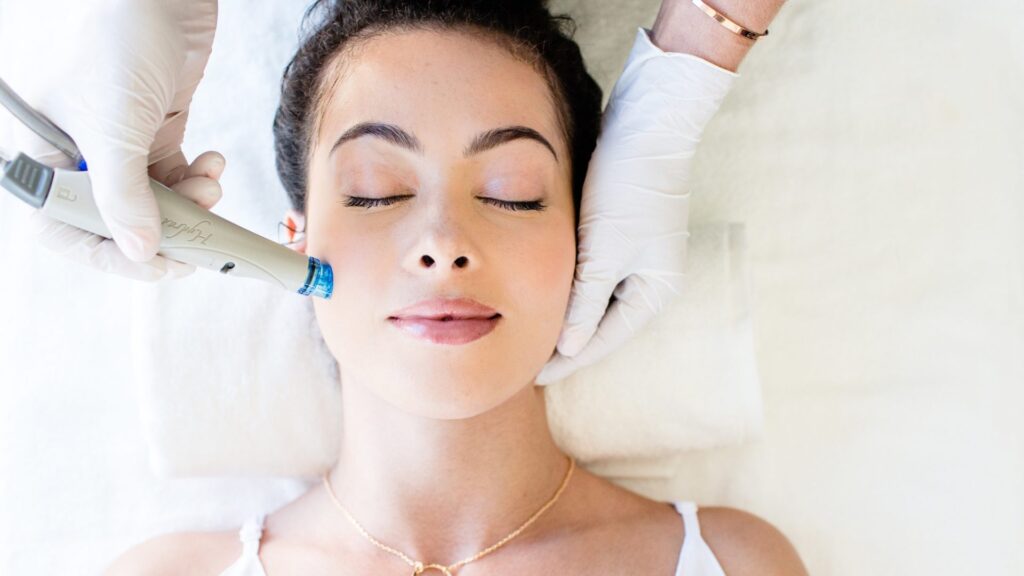
The HydraFacial treatment is a non-invasive, multi-step facial procedure that combines cleansing, exfoliation, extraction, hydration, and antioxidant infusion. It is designed to improve the overall health and appearance of the skin by addressing various skin concerns, such as fine lines, wrinkles, uneven tone, and congested pores. The treatment is suitable for all skin types and is often performed by licensed skincare professionals. Steps of the HydraFacial Treatment: Benefits of the HydraFacial Treatment: Customization and Additional Boosters: One of the strengths of the HydraFacial treatment is its customization. Skincare professionals can tailor the treatment to address specific concerns by adding boosters or serums designed to target individual skin issues, such as pigmentation, elasticity, and acne. These boosters enhance the effectiveness of the treatment and provide more targeted results. Treatment Frequency: The frequency of HydraFacial sessions depends on individual skin concerns and goals. Some people choose to have a HydraFacial as a one-time refresh for a special event, while others opt for regular treatments spaced a few weeks apart to maintain skin health and improvement. The HydraFacial treatment is a comprehensive and customizable facial procedure that offers immediate and noticeable results without the downtime associated with more aggressive treatments. Its multi-step approach addresses various skin concerns, leaving the skin refreshed, hydrated, and rejuvenated. Before undergoing a HydraFacial, it’s important to have a consultation with a licensed skincare professional who can assess your skin’s needs and recommend the most appropriate treatment plan for you.

HydraFacial treatment in Pune Read More »

Derma/Chemical Peel

Definition: A dermal or chemical peel is a cosmetic procedure performed by a dermatologist or trained medical professional to improve the appearance and texture of the skin. It involves applying a chemical solution to the skin, causing controlled exfoliation of the outermost layers. This process aims to reveal fresher, smoother, and more youthful-looking skin. Types of Peels: Procedure: Benefits: Risks and Considerations: While chemical peels are generally safe when performed by trained professionals, there are some risks to consider: Consultation: Before undergoing a chemical peel, it’s essential to have a consultation with a qualified medical professional. They will assess your skin type, concerns, and medical history to recommend the most appropriate type and depth of peel for your needs. Additionally, they will provide detailed instructions for pre and post-peel care to ensure the best possible outcome. Dermal/chemical peels are versatile cosmetic procedures that can help improve various skin concerns, from fine lines to pigmentation issues. The choice of peel type depends on your goals, skin condition, and the recommendation of a skilled medical professional. Following proper aftercare instructions and maintaining a healthy skincare routine can maximize the benefits of the peel and contribute to long-lasting results.

Derma/Chemical Peel Read More »

What is Hair Grow Therapy ?

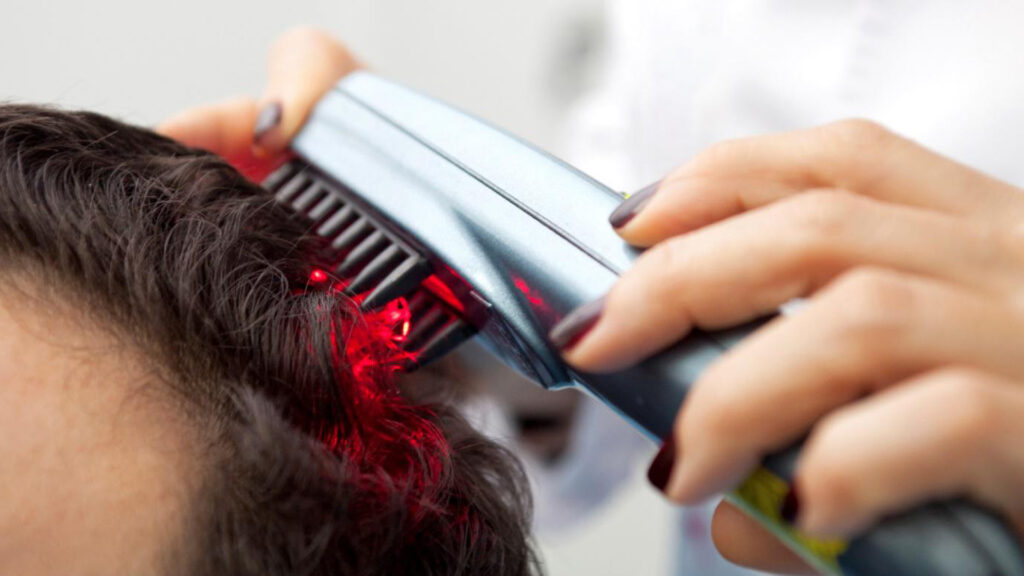
Hair Grow Therapy encompasses various treatments aimed at promoting hair regrowth and enhancing the overall health of hair. This therapy can include both natural and medical approaches, often tailored to the individual’s specific needs and the underlying causes of hair loss. Types of Hair Grow Therapy Stem Cell Therapy This advanced, non-surgical procedure involves injecting stem cells into the scalp to stimulate hair follicle activity. The stem cells send chemical signals that help rejuvenate shrunken hair follicles, promoting new hair growth. Results can typically be seen within 3 to 4 months. Platelet-Rich Plasma (PRP) Therapy PRP therapy utilizes the patient’s own blood, which is processed to concentrate the platelets. These platelets are rich in growth factors that can enhance hair follicle regeneration. The procedure is considered safe and has shown promising results in stimulating hair growth for various types of hair loss. Laser Therapy Also known as red light therapy, this method uses low-level lasers to increase blood circulation in the scalp and stimulate hair follicles. It is believed to help reverse the effects of androgenetic alopecia (pattern baldness) by promoting the growth phase of hair follicles. Nutritional Infusion Therapy This approach involves delivering a nutrient-rich cocktail directly to the scalp through microinjections. The goal is to provide essential vitamins and minerals that support hair health and growth, addressing deficiencies that may contribute to hair loss. Topical Treatments Various topical solutions and serums, often containing active ingredients like minoxidil, can stimulate hair growth by increasing blood flow to the scalp and prolonging the hair growth cycle. These treatments may require consistent application for several months to see noticeable results. Conclusion Hair Grow Therapy is a multifaceted approach to combating hair loss, combining innovative medical techniques with traditional methods. Each treatment option has its own mechanisms and effectiveness, often requiring a personalized plan to achieve the best results. Consulting with a healthcare professional or a hair specialist is recommended to determine the most suitable therapy based on individual conditions and goals.

What is Hair Grow Therapy ? Read More »

Hair Transplant

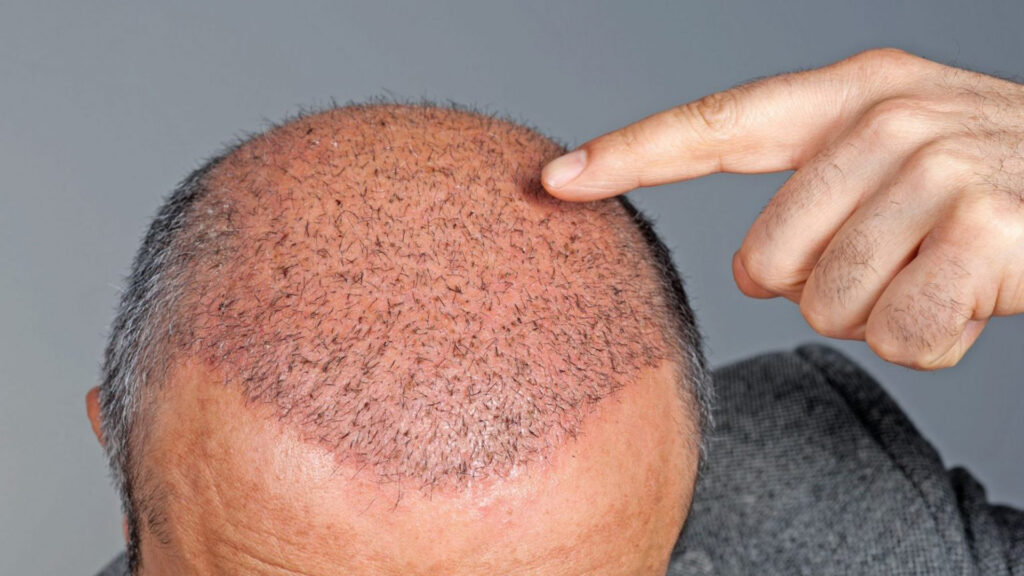
What is Hair Transplant Surgery? Hair transplant surgery is a cosmetic procedure designed to treat hair loss or baldness by transferring healthy hair follicles from one part of the body (usually the back or sides of the scalp) to areas where hair is thinning or absent. The procedure aims to restore natural hair growth and improve the appearance of the hairline and affected areas. Types of Hair Transplant Techniques: Procedure Steps: Recovery and Results: Benefits and Considerations: Hair transplant surgery is a surgical option for addressing hair loss by relocating healthy hair follicles to areas in need of restoration. It’s essential to consult with a reputable hair transplant surgeon to assess your candidacy, understand the procedure, and set realistic expectations for the results.

Hair Transplant Read More »

Hair Meso Therapy

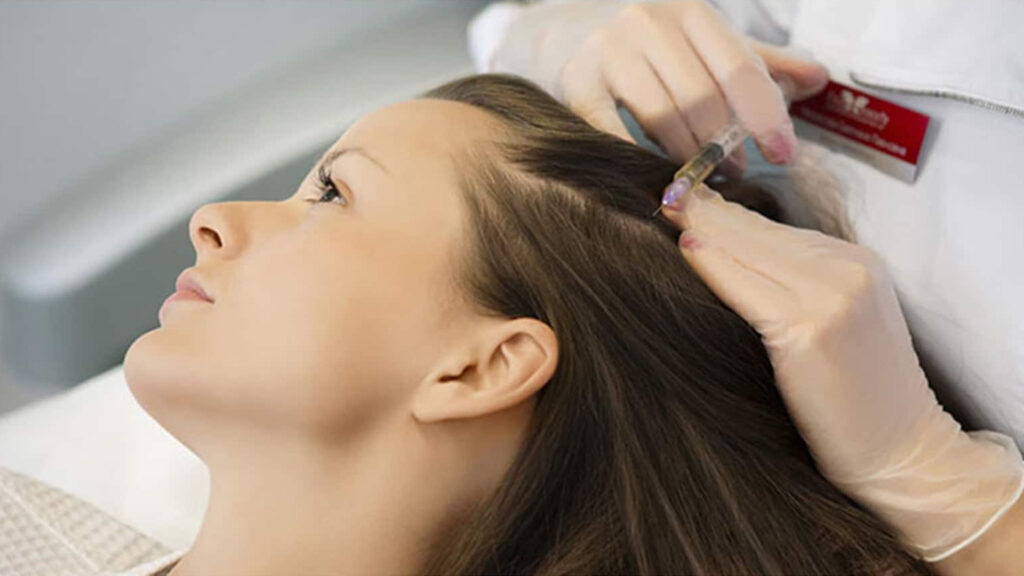
What is Hair Mesotherapy? Hair mesotherapy is a non-surgical cosmetic procedure that involves injecting a customized blend of vitamins, minerals, amino acids, coenzymes, and other nutrients directly into the scalp. The goal of this treatment is to stimulate hair growth, improve the health of hair follicles, and enhance the overall condition of the scalp. Procedure Steps: Benefits and Considerations: Hair mesotherapy is a personalized treatment approach that uses nutrient-rich injections to potentially enhance hair growth and scalp health. As with any medical procedure, it’s important to consult with a qualified professional before undergoing hair mesotherapy to determine if it’s a suitable option for your individual needs and to receive proper guidance throughout the process.

Hair Meso Therapy Read More »

PRP Hair Loss Treatment

PRP (Platelet-Rich Plasma) hair loss treatment is a non-surgical procedure aimed at promoting hair growth in individuals experiencing hair thinning or hair loss. It involves using a person’s own blood, which is processed to concentrate the platelets, and then injecting this platelet-rich plasma into the scalp. Here’s an overview of how the procedure typically works: The idea behind PRP treatment is that the growth factors in the platelets stimulate the hair follicles, promoting hair growth and increasing the thickness of existing hair. PRP is thought to potentially improve blood supply to the hair follicles and trigger natural hair growth processes. It’s important to note that the effectiveness of PRP hair loss treatment can vary from person to person. Some individuals may experience noticeable improvements in hair growth, while others might see only limited results. The treatment usually requires multiple sessions, typically spaced several weeks apart, to achieve optimal results. PRP is considered a safe procedure since it uses the patient’s own blood, minimizing the risk of adverse reactions. However, as with any medical procedure, there can be potential side effects, such as discomfort at the injection site, mild swelling, or bruising. Before considering PRP treatment or any other hair loss therapy, we take all the blood tests done and assess your specific situation, discuss treatment options and help you make an informed decision based on your needs and expectations.

PRP Hair Loss Treatment Read More »

Scroll to Top