

How Do Thread Lifts Help You Look Younger Without Surgery?
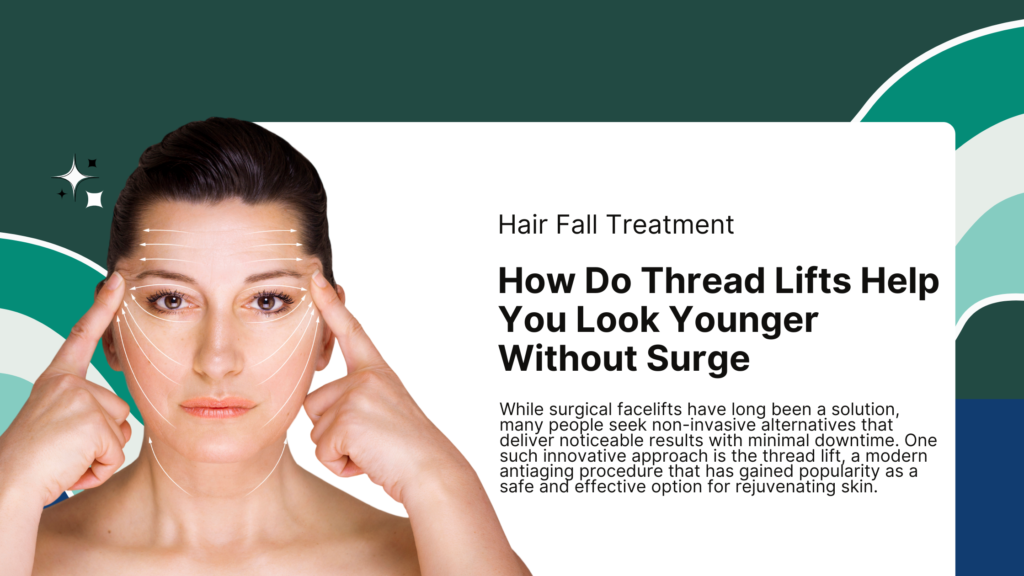
How Do Thread Lifts Help You Look Younger Without Surgery? Aging is a natural process, but visible signs like sagging skin, fine lines, and loss of facial firmness can affect confidence and self-esteem. While surgical facelifts have long been a solution, many people seek non-invasive alternatives that deliver noticeable results with minimal downtime. One such innovative approach is the thread lift, a modern antiaging procedure that has gained popularity as a safe and effective option for rejuvenating skin. In this blog, we will explore how thread lifts work, who can benefit, the procedure, and long-term results, while naturally integrating insights about Antiaging Treatment, choosing a skin specialist in Hadapsar, and consulting the top cosmetic doctor. Understanding Thread Lifts A thread lift is a minimally invasive cosmetic procedure designed to lift and tighten sagging skin without traditional surgery. Unlike surgical facelifts, which require incisions and long recovery periods, thread lifts use biodegradable threads inserted under the skin using fine needles or cannulas. These threads lift the tissue mechanically while stimulating collagen production, which helps improve skin elasticity, firmness, and overall texture. Key Benefits of Thread Lifts: Immediate lifting of sagging skin Natural-looking results with no surgical scars Minimal downtime and quicker recovery Stimulates collagen for long-term skin rejuvenation Enhances facial contours and softens fine lines For individuals seeking a non-surgical antiaging solution, thread lifts have become a preferred option under Antiaging Treatment, especially when performed by a certified skin expert in Hadapsar. How Thread Lifts Work Thread lifts involve the careful placement of dissolvable threads beneath the skin. These threads have tiny cones or barbs that grip tissue and lift it to a more youthful position. Once in place, the threads provide a structural lift, while the body’s natural healing response stimulates collagen production around the threads. This collagen induction helps maintain skin firmness and smoothness even after the threads dissolve naturally over several months. The procedure is ideal for addressing: Mild to moderate sagging of cheeks and jawline Loose skin under the eyes or neck Fine lines and nasolabial folds (smile lines) Loss of facial elasticity Thread lifts are especially suitable for patients noticing early signs of aging who want natural rejuvenation without the risks and costs of surgery. Who Can Benefit From Thread Lifts? Thread lifts are perfect for adults between 30 and 50 years old experiencing mild to moderate skin sagging. Ideal candidates typically have: Early wrinkles or fine lines Slight drooping of cheeks, jawline, or eyebrows Loss of skin elasticity or firmness Patients with severe skin laxity or advanced sagging may require traditional surgical facelifts. Consulting a cosmetic doctor ensures that you receive a personalized evaluation and a treatment plan tailored to your unique skin needs. The Procedure and Recovery Thread lifts are performed under local anesthesia, making the procedure comfortable and relatively quick. Depending on the area treated, sessions typically last 30–90 minutes. Post-Procedure Care: Avoid strenuous exercise for 1 week Follow instructions on cleansing and moisturizing provided by your skin specialist Protect treated areas with sunscreen Avoid excessive facial movements for the first few days Most patients experience mild swelling or bruising, which typically subsides within a week. Many see immediate lifting effects, while ongoing collagen production continues to enhance firmness and texture over the next few months. Comparing Thread Lifts With Other Antiaging Treatments When comparing thread lifts with other antiaging treatments, several key differences stand out in terms of invasiveness, recovery time, and results. A thread lift is a minimally invasive procedure that requires only a few days of recovery and delivers immediate lifting effects along with long-term collagen stimulation. In contrast, a surgical facelift is a fully invasive treatment with a recovery period of several weeks, but it provides more dramatic and long-lasting results. Dermal fillers are non-surgical and involve minimal downtime, mainly focusing on restoring lost volume; however, their results are temporary. Similarly, Botox is a non-surgical option with little to no recovery time, primarily aimed at reducing wrinkles, but its effects are also temporary. Overall, thread lifts strike an ideal balance between noticeable results and convenience, making them a popular antiaging choice for busy professionals or individuals who want effective rejuvenation without undergoing invasive surgery. Long-Term Benefits of Thread Lifts One of the most important advantages of thread lifts is collagen stimulation, which gradually improves skin firmness and elasticity. Results typically last 12–18 months, depending on age, lifestyle, and skin type. To maintain results: Follow a consistent skincare routine including gentle cleansing, hydration, and sunscreen Schedule periodic follow-ups with your skin doctor in Hadapsar Avoid smoking and excessive sun exposure Combine with other antiaging treatments in Hadapsar like dermal fillers or professional facials for enhanced outcomes Choosing the Right Specialist Selecting a qualified skin specialist is crucial for safe and effective results. Look for: Certified training in cosmetic procedures Experience performing thread lifts Positive patient reviews and visible before-after results A professional evaluation ensures personalized treatment, optimal thread placement, and long-lasting natural-looking results. Conclusion Thread lifts are a revolutionary, non-surgical solution for anyone looking to achieve firmer, younger-looking skin. With minimal downtime, immediate lifting effects, and long-term collagen stimulation, thread lifts offer a practical alternative to traditional facelifts. Consulting a cosmetic doctor or skin specialist in Hadapsar ensures that you receive a customized treatment plan, tailored to your skin type and aging concerns. Combined with proper skincare and healthy lifestyle habits, thread lifts can help maintain youthful, radiant skin for years to come. For those seeking effective Antiaging Treatment without surgery, thread lifts provide an ideal balance of safety, convenience, and natural results. 5 Best User Query FAQs Are thread lifts safe for all skin types? Yes, thread lifts are generally safe for most skin types. A consultation with a best cosmetic doctor in Hadapsar ensures suitability and identifies the best threads and technique for your facial structure. How long does a thread lift procedure take? Typically, a thread lift takes 30–90 minutes depending on the treatment area. Local anesthesia ensures minimal discomfort. Will thread lifts look natural? Yes.
How Do Thread Lifts Help You Look Younger Without Surgery? Read More »